La coloration des façades en Europe : bâti urbain et paysage bâti. The coloring of facades in Europe : urban and rural built environment
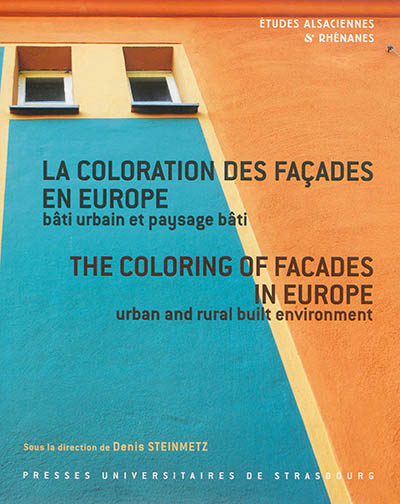
La coloration des façades en Europe bâti urbain et paysage bâti
Définitivement, nous avons tourné la page du XX<sup>e</sup> siècle. Le retour de la couleur le dit. Elle avait accompagné avec vigueur les débuts du modernisme dans les années vingt avant que ne triomphe l'esthétique épurée des white et des gray, un demi-siècle plus tard. Son retour actuel ouvre à la production un éventail inédit de possibilités : elles vont de la plus intense polychromie à sa négation radicale, dans une vision distanciée du rapport au passé. La fin de l'idéologie moderne, post- ou néo-moderne nous a entraînés dans la spirale de l'éclectisme. De ce fait, nous assumons l'hétérogénéité des héritages culturels et la capacité, pour chacun, de s'assimiler à l'un ou l'autre d'entre eux. Cette vision éclatée n'est pas sans danger, l'infinité des répertoires brouillant tout message. On peut y voir le préalable à de nouveaux engagements, moins dispersés, et à de nouvelles certitudes - espérons-le, du moins !
The coloring of facades in Europe urban and rural built environment
The 20th century is definitively behind us. This is heralded by the comeback of colour. In the 1920s, it had been a vigorous companion of nascent modernism, before the pure aesthetics of whites and grays won the day, half a century later. The return of colour has opened a wide range of new possibilities, from the most intense polychromy to its radical negation, with a vision distant from references to the past. Modern ideology, post- or neo-modern, has given way to an eclectic whirlwind. Thus, we assume the heterogeneity of cultural legacies and the capacity for everyone to identify with one or another of them. This fragmented view is not without danger, since any message is blurred by the infinity of options. One may detect the dawn of new, less random commitments, and new certainties - at least let's hope so !