Le Marais
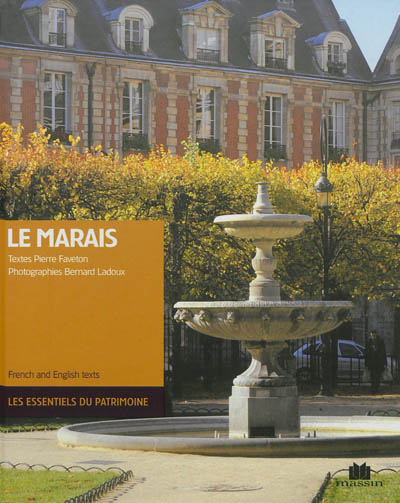
À la mode au XVII<sup>e</sup> siècle, délaissé à la fin du XVIII<sup>e</sup>, paupérisé au XIX<sup>e</sup>, réhabilité aujourd'hui, le Marais a connu une drôle d'histoire. C'est l'un des quartiers les plus séduisants de Paris, riche d'un passé miraculeusement épargné. Tout autour de la place des Vosges, alors place Royale, s'élèvent au XVII<sup>e</sup> siècle, entre cour et jardin, les plus beaux hôtels de Paris. L'aristocratie s'y presse. En défaveur au XIX<sup>e</sup>, le petit peuple s'en empare. Ateliers et artisans s'y installent. Les juifs, immigrés d'Europe de I'Est s'y retrouvent, au début du XX<sup>e</sup>. C'est le Pletzl. Menaçant ruine, dans les années 60, le Marais est alors sauvegardé, puis restauré. Les hôtels retrouvent leur splendeur passée. Les gays en font leur fief, la mode s'en empare, le Marais devient « branché ». C'est un quartier â découvrir où il fait bon flâner, entre monuments mémorables et bistrots sympa.
The Marais which was fashionable in the 17<sup>th</sup> century, neglected at the end of the l8<sup>th</sup>, impoverished in the 19<sup>th</sup> and has now been renovated has had a curious past. It is on of the most appealing areas of Paris, with a wealth of miraculously spared history. In the 17<sup>th</sup> century the most attractive town houses in Paris were built around Place des Vosges, in those days Place Royale, between courtyards and gardens. The aristocracy flocked there. Out of favour in the 19<sup>th</sup> century, the lower classes took it over Workshops and craftsmen moved there. Immigrant Jews from Eastern Europe gathered there at the start of the 20<sup>th</sup> century. It was known as the Pletzl. Threatening ruin in the 60s, the Marais was then rescued through gradual renovation. The townhouses rediscovered their original splendour. The gay community moved in ; fashion took it by Storm ; the Marais became « hip ». It is a lovely arec to discover whilst strolling between historical monuments and welcoming bistros.