Spirit of place
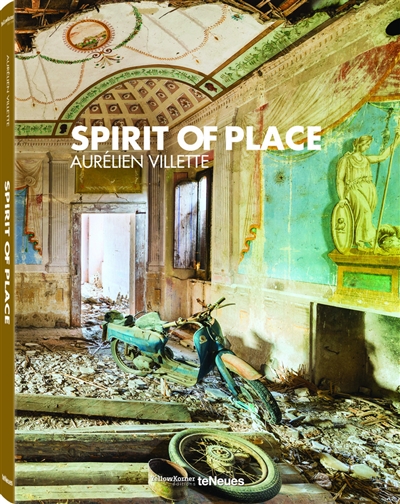
À travers Dogma, Topophilia, Reminiscence, Matiérisme, Structure /
Déstructure et Verticalité , plusieurs questions sont posées ; la plus
évidente, d'abord, vient de notre reaction face à la ruine et au
délabrement. Quel passé, mais aussi quelle destinée prêtons-nous
à ces édifices ? Devons-nous les voir comme des abandons, des
échecs, ou bien comme de simples états transitoires dans la grande
entreprise humaine ? Pouvons-nous réellement calquer le schéma de
vie organique (jeunesse, maturité, décadence) à l'architecture ? Lorsque
nous rencontrons ces intérieurs vides et sales, troués et craquelés, pensons-nous
à leur pérennité ou, au contraire, à leur caractère éphémère,
changeant ? Enfin, et surtout, sommes-nous réellement capables d'y voir
un simple présent ?
Throughout the series of Dogma, Topophilia, Reminiscence, Matterism,
Structure and Destructure and Verticality , multiple questions are
raised the most obvious, first of all, stems from our reactions to ruins
and disrepair. Which past, and which future, are we ascribing to these
constructions? Should we view them as desertions and failures, or merely
as transitory states of the greater undertakings of the human race? Are
we really able to imitate the patterns of organic life (youth, maturity and
decadence) in architecture? When confronted with these empty, dirty
interiors replete with their holes and cracks, is it their longevity that we
consider or is it, in contrast, their ephemeral and changing characters?
Finally, and most importantly, are we truly capable of simply seeing their
present?
Die Serien Dogma, Topophilia, Reminiszenz, Matierismus, Struktur/Strukturiosigkeit
und Vertikalität werfen mehrere Fragen auf; die
offensichtlichste basiert zunächst auf unserer Reaktion auf die Ruine
oder den Verfall. Welche Vergangenheit, aber auch welches Schicksal
schreiben wir diesen Gebäuden zu? Sollten wir in ihnen die Aufgabe,
das Scheitern sehen, oder sie als einfache Übergangszustände im
großen menschlichen Unternehmen betrachten? Können wir tatsächlich
das Schema des organischen Lebens (Jugend, Reife, Verfall) auf die
Architektur übertragen? Wenn wir auf diese leeren und schmutzigen,
durchlöcherten und von Rissen durchzogenen Interieurs stoßen,
denken wir dann an ihr Weiterbestehen oder - im Gegenteil - an ihren
ephemeren, unbeständigen Charakter? Kurzum, sind wir wirklich in der
Lage, in ihnen eine einfache Gegenwart zu erkennen?