Evian et le drame de la Grande Guerre : 500.000 civils rapatriés. Evian and the tragedy of the Great War : 500.000 civilian repatriates
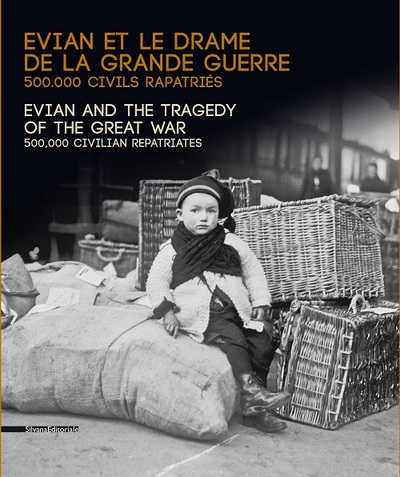
Durant la Grande Guerre, la station thermale d'Evian-les-Bains, en Haute-Savoie, a joué un rôle de tout
premier plan dans l'accueil des populations civiles déplacées.
Considérés comme autant de «bouches inutiles», près d'un demi-million de femmes, d'enfants et de
vieillards demeurant dans les zones occupées du nord et de l'est de la France ont été évacués par les autorités
allemandes entre l'automne 1914 et la fin des hostilités. Acheminés via la Suisse par convois ferroviaires,
ces rapatriés étaient souvent rendus à leur pays dans un état de grand dénuement. D'abord station d'attente
puis, à partir de janvier 1917, centre principal du dispositif d'accueil mis en place par les pouvoirs publics,
Evian a pris en charge, réconforté, soigné et hébergé plus de 375 000 d'entre eux.
En écho aux commémorations du Centenaire de la Grande Guerre, Evian se devait de revenir sur cet épisode
aussi douloureux que méconnu de son passé. L'exposition de la Maison Gribaldi évoque le rapatriement
dans ses dimensions historique et humaine à travers une large palette de documents fortement porteurs
d'émotion. Un grand nombre d'entre eux, provenant des fonds patrimoniaux de la Ville d'Evian, n'avaient
encore jamais été présentés au public.
During the First World War, the spa town of Evian-les-Bains in Haute-Savoie played a central role in
accommodating uprooted civil populations.
Between Autumn 1914 and the end of the hostilities, the German authorities evacuated almost half a
million women, children and old people living in the occupied zones in northern and eastern France, who
were pretty much considered to be 'useless mouths.' Transported via Switzerland in rail convoys, these
repatriates were often sent back to their country in an extreme state of destitution. First a holding station,
then the main centre for the reception plan set up by the public authorities from January 1917, Evian took
care of, comforted, nursed and accommodated more than 375,000 of them.
In light of the commemorations of the Centenary of the First World War, Evian felt it was its duty to revisit
this time in its past, which is as painful as it is little known. The Maison Gribaldi exhibition recalls the
human and historical scale of the repatriation through a wide selection of documents that carry their weight
in emotion. A great number, conserved in the heritage collections of the City of Evian, have never been
presented to the public.