Mythique route des Alpes. Mythical route des Alpes
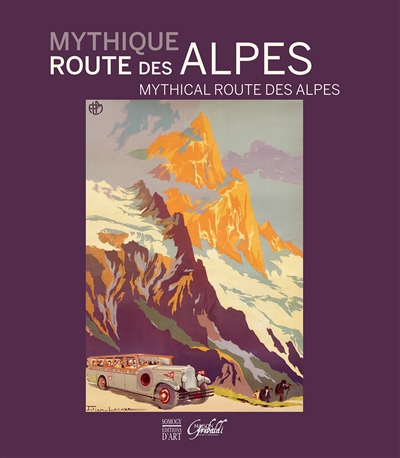
Mythique Route des Alpes
Au début du XX<sup>e</sup> siècle, la montagne s'ouvre au tourisme
automobile. Le Touring Club de France conçoit alors le
projet d'une route reliant Thonon et Évian à Nice en suivant
la ligne de crête des Alpes françaises. Ce sera « la plus belle
route de montagne du monde », la Route des Alpes, inaugurée
en juillet 1911. Les touristes qui l'empruntent « des bords
gracieux du Léman aux rives ensoleillées de la Côte d'Azur »
traversent cinq départements et escaladent neuf cols, certains
dépassant 2 000 m d'altitude. À bord de leur propre véhicule
ou des confortables autocars de la Compagnie des chemins
de fer P.-L.-M., ils découvrent la beauté grandiose et la
diversité des paysages de haute montagne. La Route des Alpes,
qui a donné naissance à plusieurs variantes, dont la célèbre
Route Napoléon, connaît aujourd'hui une grande notoriété
populaire grâce aux épreuves du Tour de France cycliste.
Mythical Route des Alpes
At the beginning of the twentieth century, the mountains
became accessible to motor car tourism. The Touring-Club
de France decided to develop a project for a route that would
link Thonon and Evian to Nice by following the ridges of the
French Alps.The aim was to create « the finest mountain route
in the world », the Route des Alpes, which was inaugurated
in July 1911. The tourists who used it would travel from the
« graceful shores of Lake Léman to the sunny beaches of the
Côte d'Azur », crossing five départements and ascending nine
passes, some of which are more than 2 000 m high. They
would discover the grandiose beauty and diverse landscapes
of the high mountains in their own vehicles or on the P.-L.-M.
Railway Company's comfortable coaches. The Route
des Alpes, which inspired other itineraries, including the well-
known Route Napoléon, has now become extremely famous
thanks to the Tour de France cycle race.