Sir Thomas Browne : the modernity of a seventeenth-century english thinker
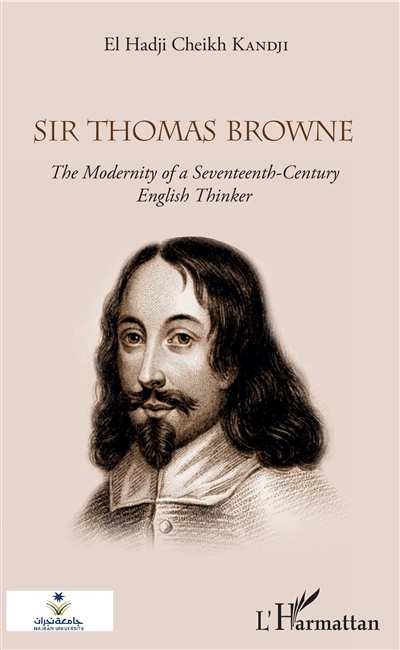
Sir Thomas Browne
The Modernity of a Seventeenth-Century
English Thinker
This essay sheds light on a relatively neglected 17<sup>th</sup>-century English thinker, Sir Thomas Browne ; and rereads his works with modem lenses. It highlights his insightful contribution to modem thought. Browne is a man of the modem age. His legacy to modem thought clearly appears through his works. He raises the issue of the relationship between science and religion, and posits archeology and anthropology as disciplines that help better understand past, present, and future societies. Browne ultimately cornes up with epistemological premises which anticipate the Popperian concepts of testability, falsifiability and refutability applied to truth. He also anticipates Darwin and definitely announces Bachelard in so far as he regards errors as « epistemological obstacles » which hinder man in his quest for truth. From a semantic perspective, it is noteworthy to point out that Sir Thomas Browne coined hundreds of words, some of which are still in use in modem discourse : medical, electricity, suicide, insecurity, deductive, exhaustion ...