Paradeisos : genèse et métamorphose de la notion de paradis dans l'Antiquité : actes du colloque international
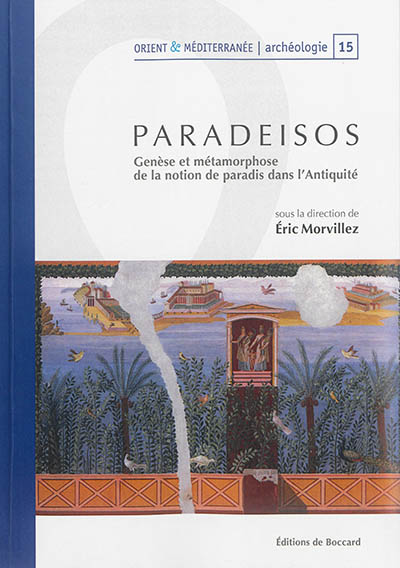
L'archéologie et l'histoire des jardins ont pris depuis quelques années une place
nouvelle dans les recherches sur l'Antiquité. Le recours à la notion du Paradis
originel, celui de la Genèse, ou à ceux des souverains du Proche-Orient ancien
a servi le discours sur la naissance de l'art des jardins en Méditerranée, tant dans
le monde hellénistique que romain. Depuis le célèbre volume de Jean Delumeau
sur le «jardin des délices», le paradis fantasmatique des Anciens nous semblait plus
familier : il a donné ses racines aux jardins des périodes médiévale, moderne et
contemporaine. Après les études fondatrices des horti romains par Pierre Grimal
ou des jardins des cités du Vésuve par Wilhelmina Jashemski, les spécialistes de
l'Antiquité classique ont choisi de reprendre pour leurs études le terme de paradeisos
qui leur paraît bien défini. Le mot renvoie pourtant à des conceptions et réalités
très diverses. C'est le long processus d'héritage et de transformation de ce vocable
que souhaite aborder ce livre, développement des débats, largement enrichis par
leurs contributeurs respectifs, d'un colloque tenu en Avignon, au Palais des Papes,
au printemps 2009. L'occasion de reformuler par une démarche transversale et
comparatiste la genèse et les métamorphoses du concept de paradis : de l'Éden
biblique aux parcs assyriens ou perses, des paradeisoi hellénistiques imités aux jardins
romains ordonnancés, de l'avatar du paradisus chrétien à l'ultime déclinaison
profane omeyyade.
Archaeology and the history of gardens have taken since a few years a new place
in the research on Antiquity. The recourse to the concept of the original Paradise,
that of the Genesis or that of the ancient Near East sovereigns, has served the speech
on the birth of art of gardens in the Mediterranean, both in the Hellenistic and
Roman world. Since the famous volume of Jean Delumeau on the "Jardin des
délices", the fantasy paradise of the Anciens seemed more familiar: it has given its
historical roots to the gardens of medieval, modern and contemporary times. After
the founding studies of Roman horti by Pierre Grimal or of gardens of the cities of
Vesuvius by Wilhelmina Jashemski, the specialists of classical Antiquity have chosen
to take again the term of paradeisos for their studies, which seemed well defined for
them. The word refers however to very various concepts and realities. It is the long
process of inheritance and transformations of this vocabulary that wishes to address
this book, development of debates, widely enlarged by their respective contributors,
of the colloquium held in Avignon, in the Palace of the Popes in the spring of 2009
- an opportunity to rephrase by an interdisciplinary and comparative approach the
genesis and the metamorphoses of the concept of paradise: from the biblical Eden
to the Assyrian or Persian gardens, from the imitated Hellenistic paradeisoi to the
formal Roman gardens, from the avatar of the christian paradisus to the ultimate
Ommayad secular version.