Au bonheur des bas : histoire de la bonneterie à Nîmes et en Cévennes : XVIIe-XXIe siècles. The solace of stockings : the history of hosiery in Nîmes and the Cévennes : from the seventeenth century to the present day
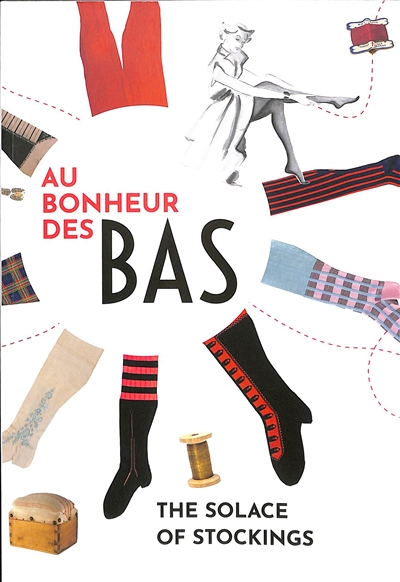
Tout un pan de l'histoire artisanale puis industrielle de Nîmes et des Cévennes s'est construit autour de la fabrication des bas. Depuis le XVI<sup>e</sup> siècle, cette région du sud de la France était déjà engagée dans la production textile puis développa la fabrication et la filature de la soie qui allait faire sa renommée. Les bas originellement masculins deviennent un accessoire féminin, l'offre de motifs se développe et les bas des Cévennes s'exportent dans le monde entier.
La mécanisation du XIX<sup>e</sup> siècle consacre l'âge d'or des manufactures des bas en soie concurrencée à partir des années 1930 par l'utilisation du nylon. L'ouvrage démontre non seulement la manière dont, au fit des siècles, se sont développées les manufactures, mais retrace aussi l'histoire d'une culture vestimentaire qui se poursuit aujourd'hui, grâce au dynamisme d'entreprises installées sur le territoire cévenol.
A whole chapter of artisanal and industrial history of Nîmes and the Cévennes has been built around the manufacture of stockings. This region in the South of France has been involved in textile production since the sixteenth century, and later developped the silk manufacturing and spinning industry for which it became famous. Stockings, originally worn by men, became a womenswear accessory and took on different patterns, and the stockings of the Cévennes were exported worldwide.
In the nineteenth century, mechanisation heralded the golden age of silk-stocking manufacturing, but the industry was challenged in 1930s by the use of nylon. This book not only shows how these factories developed over the centuries, but also traces the history of a clothing culture that continues today, thanks to the dynamism of companies based in the Cévennes region.