The eye and the camera : the Albertina collection of photographs
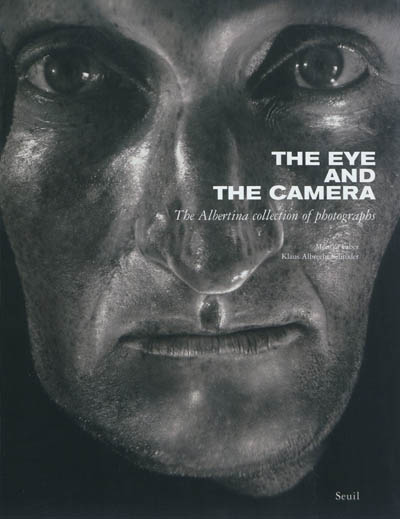
Defining the status of photography by reference to more than just the classical bias between
art and document and acknowledging that both the eye and the camera are involved
in the production of images in an exciting and multi-faceted interactive play are the objectives
of this first publication of the photographic collection of the Albertina, whose eminent tradition
in collecting drawings and prints has now been extended to encompass objects created
by the new technical medium of photography.
Design and chance as constitutive elements of any collection are part of the collective memory
which in these archives will serve posterity. The holdings of the Albertina's photographic
collection tell mutually complementary as well as diverging stories about the medium of
photography. The different aspects under which photographic material has been collected are as
exciting as the pictures themselves: an imperial art collection and the library connected with it,
pictures owned by an industrial school founded in the late 19<sup>th</sup> century
(the Graphische Lehr- und Versuchsanstalt) with treasures acquired by its famous teachers,
among them Rudolf Koppitz, and the archives of the first publishing house
in the German-speaking world specializing in photography books can be regarded as exemplary
for many different points of reference to which photography can (and must) be related.
The early days of the medium are presented by descriptions of collection strategies, which
include Henry William Fox Talbot's Pencil of Nature as well as previously unknown experiments.
The policy underlying the first photographic exhibition in the German-speaking world
is explored, which attempted to provide an overview of everything that was considered
of importance in this field in 1864, from Édouard Baldus to Carleton Watkins, from still lifes
to expedition photography. Stereo pictures and panoramas address photography as a vehicle
of a radically novel perception and representation of space. X-ray and astro-photography,
surveying pictures of glaciers and snapshots of flying bullets: all this passed through the hands
of Josef Maria Eder, whose key role in the exchange of scientific photographs in the late
19<sup>th</sup> century has hardly been recognized to date. The fact that, in addition, classical themes
such as 'Posed Photography' or 'Instantaneous Photography' can be illustrated using pictures
by photographers from Julia Margaret Cameron to Robert Frank, from Heinrich Kühn
to Lisette Model, has been rendered possible by the numerous acquisitions made in recent years.