Between secrets and screens, sentiments under scrutiny : Sense and sensibility : Jane Austen, Ang Lee
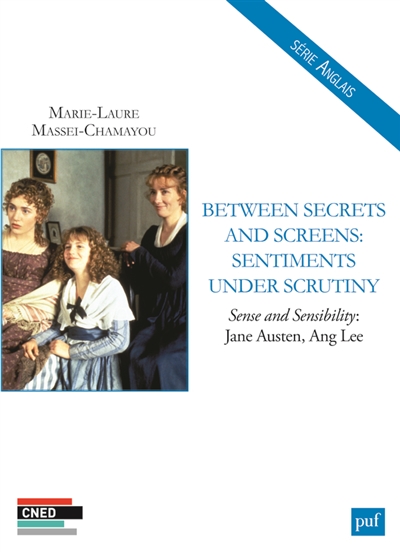
Often regarded as dark and disenchanted in comparison with the "light and
bright and sparkling" Pride and Prejudice (1813), Jane Austen's Sense and
Sensibility (1811) has recently emerged from its shadowed position to find
both intellectual and popular appeal, partly thanks to Ang Lee's acclaimed
movie adaptation based on Emma Thompson's screenplay (1995). Drafted
in the political turmoil of the 1790s when sensibility had become such an
overdetermined trope that it failed to generate stable meaning, Austen's first
published novel stages a transition in her oeuvre: while its critical scrutiny
of the waning cult of sensibility and parody of sentimental conventions
displace an outdated style of didactic fiction, its daring representation of
the patrilineal system of inheritance, closural ambiguities and nuanced
narrative strategies all point to the more sophisticated achievements of the
domestic realist novel. As Jane Austen boldly dramatised the economic rules
and stifling secrets of her society, the plot is fraught with tensions inherent
in the discrepancy between the elegant rituals of English society and the
utter female powerlessness which underlies monetary pressure to marry.
Similarly, even as the genre of the heritage film associates the novel with an
ideal pre-industrial England, Ang Lee's aesthetic adaptation reads Sense and
Sensibility as a text of female empowerment.