Vallery : la fête au château : princes, muses and weddings
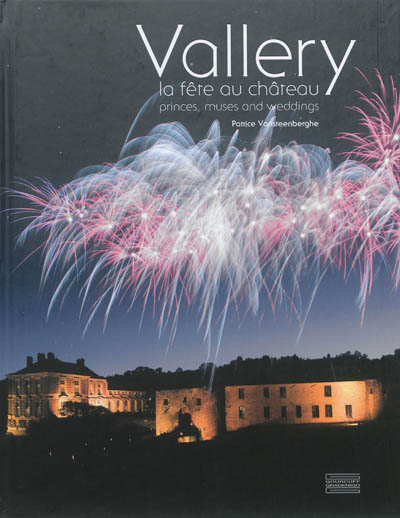
En 1990, je faisais l'acquisition des ruines du château de Vallery dans l'Yonne. La signature de
ce joyau de la Renaissance en revenait à Pierre Lescot, architecte illustre de la Cour Carrée du
Louvre. Je m'employais dès lors, avec l'aide des monuments historiques, à sa restauration.
Dès les premières réceptions, j'entrevoyais dans la fête un art d'exception, un art qui a soif
d'absolu et nous porte parfois jusqu'au bout de nos rêves.
Bien avant le règne de Louis XIV, cette «citadelle des princes, des muses et de la nuit» était
enfant chéri de la fête. «Lieu de lucre, de luxe et de bombances» quand le Maréchal de Saint-André
mettait en scène à Vallery des réceptions royales tel ce bal dans La Princesse de Clèves ,
le château allait devenir par la suite la résidence des princes et princesses de Condé.
Un prétexte à explorer les arts du feu, de la table, de la danse, de la séduction... peut-être
également nos origines car l'homme bien avant qu'il n'ait inventé la roue, n'avait-il pas
découvert le masque, la danse, le maquillage !...
In 1990 I purchased the ruins of Château de Vallery in the Yonne region of France. This
Renaissance gem was designed by Pierre Lescot, the illustrious architect who also designed
the Cour Carrée at the Louvre. With the help of the conservation authorities I immediately
started to restore it.
From the very first events hosted there, I recognised celebrations as a unique art, an art with
a thirst for the absolute, an art that can carry us to the end of our dreams.
This "citadel of Princes, muses and the night" had been the darling of celebrations well
before the reign of Louis XIV. It was a "place of lucre, luxury and revelling" when Marshal
Saint-André staged royal receptions in Vallery, such as the ball in the novel La Princesse
de Clèves. The château was subsequently to become the residence of the Princes and
Princesses of Condé.
Vallery offers a pretext for exploring the arts of fire, fine dining, dance and seduction. It also
invites us to reflect on the origins of celebrations: well before man invented the wheel, he
had already discovered masks, dancing and make-up!