Talking about Cézanne
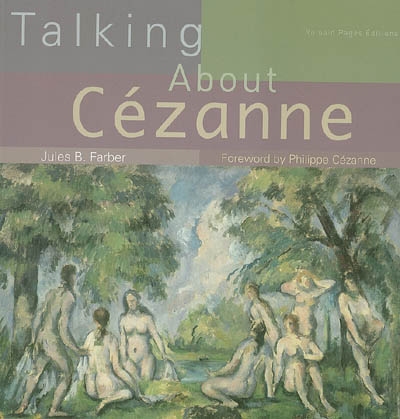
In the book, Cézanne the thwarted artist, Cézanne the solemn man comes to life. It reveals the hostile atmosphere of non-acceptance that surrounded him all his life ; his self-chosen isolation ; his phobia of women ; his continual disputes with his despotic father ; his revolutionary vision as a precursor of Cubism and modern painting ; his unequalled pictures of bathers, still lives, landscapes, the Sainte-Victoire ; his influence on many great painters who followed him ; his close relationship with and later betrayal by his youthful friend, Émile Zola ; his wish to die while painting, a prophecy fulfilled.
Rare photos include one of Sir Winston Churchill painting the bridge of the Trois Sautets where Cézanne had come to sketch soldiers bathing in the Arc River. Among the paintings reproduced are those collected by the then-young artists, Picasso and Matisse. The Cézanne in the Oval Office of the White House, Payannet and the Sainte-Victoire, near Gardanne , is also pictured.
The Americans were among the first to recognize and collect Cézanne's work. John Rewald and James Lord, both Americans, recount their experiences in saving Cézanne's studio. In A Moveable Feast , Ernest Hemingway mentions a « secret » he shared with Cézanne which influenced his writing. Woody Allen found « life worth living for the wonderful apples and pears of Cézanne » in his movie, Manhattan .